
"Rwanda western province"
200 article(s) found

Bourbon from the Muxiui processing plant in the western province of Rwanda
Rwanda can be said to be a fast-growing boutique coffee producer in East Africa recently. Apart from the vivid memories of its sad story of the Luanda Holocaust, the quality of its boutique coffee has also improved very rapidly. This year, we have tested several fresh, very beautiful and elegant acids worthy of Rwanda. Like many African countries, Rwandan coffee is mainly produced by small farmers every year.

Yara Peaberry washing treatment of African flavor Muxiui treatment plant in the western province of Rwanda
Country: Rwanda production area: West province Lutesilo production area altitude: 1827 meters rainfall: 1500mm treatment method: washing, elevated scaffolding sun drying varieties: BM-139 (bourbon) seed treatment plant: Musuyi treatment plant landlord: 1756 members small farmers (about 253 plants per small farmer) flavor: red apple, cherry, cinnamon, honey [Mushonyi processing plant]

Treatment methods of varieties in main producing areas of coffee beans in Rwanda
Following Cafe Review (official Wechat account vdailycom) found that Beautiful Cafe opened a small shop of its own: bourbon treatment: water treatment, wet grade: A1 shape: .2 d/300gr, 15 + Screen strength / main attributes: medium strength / refined, floral, sweet area: Kirambo, Karongi District beans from Gitesi region of Rwanda, sharp

Washed coffee beans from Rwanda introduce Lutexilo producing area in the western province.
Most of the coffee in Rwanda is washed. The water washing method will first wash and flotation the ripe coffee fruit, then remove the exocarp, pulp and part of the pectin layer, then send the coffee into the fermentation tank, remove the remaining pectin layer and then send it to the drying ground for drying treatment, so that the water content reaches about 13%. The coffee in the picture above is placed in an African shed to dry.

Washing South Shik (Nyamasheke) production area of Muxiui treatment Plant in the western province of Rwanda
Rwanda can be said to be a fast-growing boutique coffee producer in East Africa recently. Apart from the vivid memories of its sad story of the Luanda Holocaust, the quality of its boutique coffee has also improved very rapidly. This year, we have tested several fresh, very beautiful and elegant acids worthy of Rwanda. Like many African countries, Rwandan coffee is mainly produced by small farmers every year.

Chimere Manor, Lutesilo production area, Western Province of Rwanda
Rwandans have been growing coffee since colonial times, but until 1999, its products were still classified as below Class C and were not popular in the global market. The reason for the poor quality is that farmers do not have a fixed procedure for washing coffee beans and do not process coffee fruits according to specifications in time. Buyers buy coffee beans at $0.33 per kilogram, and farmers keep warm by the meagre profits earned at low prices.
The flavor of Rwanda boutique coffee washed by Mushoi in the western province of Luanda.
Rwanda can be said to be a fast-growing boutique coffee producer in East Africa recently. Apart from the vivid memories of its sad story of the Luanda Holocaust, the quality of its boutique coffee has also improved very rapidly. This year, we have tested several fresh, very beautiful and elegant acids worthy of Rwanda. Like many African countries, Rwandan coffee is mainly produced by small farmers every year.

What is the flavor of Rwanda sun bourbon coffee? Introduction of coffee from Muxiui processing plant in Rwanda
Professional coffee knowledge exchange more coffee bean information please follow the coffee workshop (Wechat official account cafe_style) Montcheir Hamuyi processing Plant in the western province of Rwanda work together to batch sunburn bourbon species Rwanda West Province Mashesha CWS Bourbon Natural country: Rwanda Rwanda production area: Western Province West Province processing Plant: Monseha processing Plant Ma

Introduction to the Lutesilo producing area of the western province of Rwanda, which is mostly grown by bourbon.
Rwanda has been growing coffee since colonial times. Although the crops are mainly coffee, the quality of coffee produced in Rwanda is not outstanding, and its status in the coffee world is low, and few people pay attention to it. Most of the coffee varieties grown in Rwanda are bourbon. Rwanda, known as the country of Thousand Hills, has a high-altitude mountain environment, fertile volcanic soil and abundant precipitation.

African Coffee Fine Coffee should be recommended for washing Bourbon at the Musiui treatment Plant in the western province of Rwanda
Rwanda quality coffee comes from washed Arabica beans, which has a unique and perfect flavor. Rwanda coffee is absolutely high quality in the form of washed Arabica beans. As far as Africa is concerned, its coffee industry attracts attention because the country thrives mainly by producing the best possible coffee beans. The taste of Rwandan coffee is described as "grass aroma"

Lutesilo producing area in the western province of Rwanda coffee growing region
Coffee has been grown since the colonial era. although the crops are mainly coffee, the quality of coffee produced by Lu is not outstanding, and its status in the coffee world is low, and few people pay attention to it. Most of the coffee varieties grown in Rwanda are bourbon. Rwanda, known as the country of a thousand hills, has a high-altitude mountain environment, fertile volcanic soil and abundant precipitation, which is conducive to the growth of coffee trees.

Washing-treated Malaba coffee producing area in Rwanda-Lutesilo producing area in the western province
Rwanda has been growing coffee since colonial times. Although the crops are mainly coffee, the quality of coffee produced in Rwanda is not outstanding, and its status in the coffee world is low, and few people pay attention to it. Most of the coffee varieties grown in Rwanda are bourbon. Rwanda, known as the country of Thousand Hills, has a high-altitude mountain environment, fertile volcanic soil and abundant precipitation.

Boutique coffee beans: Rwanda bourbon single product coffee raw beans Musiuyi washing method in the western province of Luanda
Coffee bean details: 1. Country: Rwanda 2. Production area: Lutexiluo production area of the western province 3. Altitude: 1827 m 4. Rainfall: 1500mm 5. Treatment: washing, elevated scaffolding sun drying 6. Variety: BM-139 (bourbon) 7. Processing plant: Mushuyi processing plant 8. Landowner: 1756 member small farmers (about 253 plants per small farmer) 9. Flavor: red apple, cherry, meat
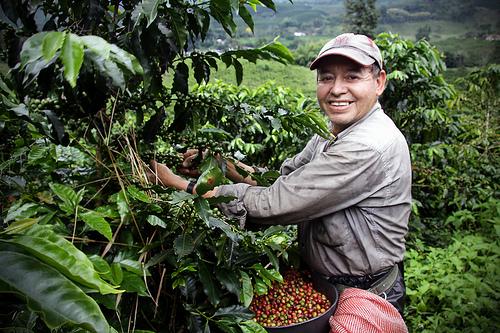
How much is the Rwandan coffee bean per jin? Washing treatment bourbon at Muxiui treatment Plant in the western province of Rwanda
Mushonyi processing plant has an amazing award record. In addition to winning the COE Excellence Cup in 2010, it won the championship, 12th, 16th and 28th in four batches in 2011 alone!

Taste and Flavor of Rwandan Coffee A brief introduction to the producing area of Lutexilo in the western province of Chimmel Manor
Raw beans are like ripe beans, storage is critical, please choose materials that are clean, odorless and breathable. Avoid storing in places with direct sunlight, high temperature, humidity and good ventilation. The taste of Rwandan coffee is described as a grassy aroma with tropical climate characteristics. In addition to the sweet fruit taste of this coffee, it also makes people taste refreshing, clear, and fresh.

Washing / bourbon boutique coffee beans from Muxiui processing plant in the western province of Rwanda issued their own fresh order for roasting.
For professional baristas, please pay attention to the coffee workshop (Wechat official account cafe_style) factory name: coffee Qianjie Cafe location: 10 Baoqian Street, Yuexiu District, Guangzhou City, contact information: 020-38364473 ingredients table: home baking shelf life: 30 net content: 227g packaging: bulk taste: sweet coffee beans ripe degree: whether coffee beans contain sugar: sugar-free origin:
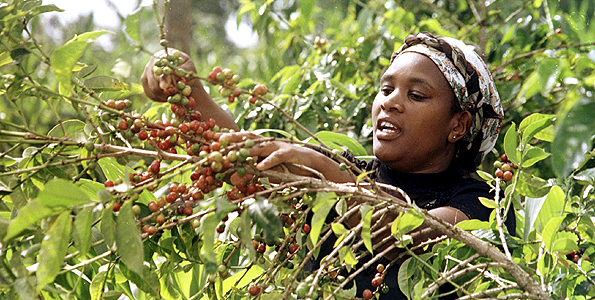
African Coffee Manor Musiui treatment Plant in the western province of Rwanda washing and treating bourbon boutique black coffee
Like many African countries, Rwandan coffee is mainly produced by small farmers, and the ripe cherry fruits are collected and sent to the processing station every year during the harvest period. During the annual harvest period, the ripe coffee berries picked by farmers are concentrated in the treatment station for treatment, first selected by hand to ensure that no immature or damaged fruit is mixed in. Then remove the peel in a cool, cold ring

Introduction to the taste and flavor of Rwanda Malaba coffee with fragrant grass. Lutesilo producing area in the western province.
The mission of the Rwanda Coffee Association is to manage and supervise the operation of the coffee industry in Rwanda from production to sale. The recently revised mission focuses on policy formulation and implementation, with more emphasis on the need to improve the professionalism of the coffee industry and to increase marketing efforts. Since the establishment of the Rwanda Coffee Association, it has developed Rwanda very well.

Introduction to Rwandan coffee beans washed by water in Lutexiluo region of Western Province
Rwanda has been growing coffee since colonial times. Although coffee is the main crop, the quality of coffee produced in Rwanda is not outstanding. The status of coffee in the world is low and few people pay attention to it. Most coffee varieties grown in Rwanda are bourbon varieties. Rwanda, known as the country of thousands of hills, has a high altitude mountain environment, fertile volcanic soil and abundant rainfall, which are beneficial to coffee.